
Home Lifts: Types, Costs, and What to Consider
A home lift (also known as a domestic elevator) allows you to move between floors of your home without using the stairs. They are increasingly popular as an alternative to stairlifts, particularly for wheelchair users, people with significant mobility limitations, or homeowners who want to future-proof their property. Home lifts can be installed in new builds or retrofitted into existing homes.
This guide covers the main types of home lifts available in the UK, how much they cost, and the key questions to ask before installing one.
Types of Home Lifts
Hydraulic Lifts
Hydraulic lifts use oil pressure and a piston to raise and lower the platform. They are the most common type of home lift in the UK and can carry heavier loads. They require a small machine room or pit beneath the lift, though modern “pit-less” variants are available.
Pros: smooth ride, reliable, good weight capacity.
Cons: may need a pit, requires more installation work.
Pneumatic (Vacuum) Lifts
Pneumatic lifts use air pressure to move the cabin up and down inside a transparent cylinder. They are self-supporting and do not need a shaft, pit, or machine room, making them one of the easiest types to retrofit into an existing home.
Pros: no shaft or pit needed, quick installation, visually distinctive.
Cons: smaller cabin size, limited weight capacity, higher running noise.
Cable-Driven (Traction) Lifts
Cable-driven lifts use pulleys, cables, and a counterweight to move the cabin. They are energy-efficient and offer a smooth, quiet ride. They require a shaft and typically some structural work.
Pros: energy-efficient, smooth and quiet, suitable for multiple floors.
Cons: more structural work needed, higher installation cost.
Through-Floor Lifts (Platform Lifts)
Through-floor lifts are open platform lifts that carry a person (often in a wheelchair) between two floors through a hole cut in the ceiling/floor. When not in use, the platform sits flush with the floor and can be covered. They are simpler and more affordable than full cabin lifts.
Pros: lower cost, smaller footprint, suitable for wheelchair users.
Cons: open platform (no enclosed cabin), usually limited to two floors.
Home Lift Costs
| Type | Typical Cost (Installed) |
|---|---|
| Through-floor platform lift | £10,000 – £20,000 |
| Hydraulic home lift | £15,000 – £35,000 |
| Pneumatic (vacuum) lift | £20,000 – £40,000 |
| Cable-driven home lift | £20,000 – £50,000+ |
Costs depend on the number of floors, cabin size, finishes, structural work required, and whether the lift is being installed in a new build (cheaper) or retrofitted into an existing property (more expensive due to building work).
Annual servicing typically costs £200 to £500. Most manufacturers recommend servicing at least once per year.
Home Lift vs Stairlift
| Feature | Home Lift | Stairlift |
|---|---|---|
| Typical cost | £10,000 – £50,000+ | £2,000 – £5,000 |
| Wheelchair accessible | Yes (platform or cabin lifts) | No |
| Space required | Floor space for shaft or platform | Fitted to staircase |
| Installation time | 1 to 4 weeks | 1 to 2 hours (straight) |
| Property value impact | Often adds value | Neutral or slight reduction |
| Best for | Wheelchair users, heavy daily use, future-proofing | Ambulatory users, tighter budgets |
Installation: What to Expect
Installing a home lift involves several stages:
- Survey and assessment – A professional installer visits your home to assess the space, structural requirements, and the best type of lift for your needs.
- Building work – Depending on the lift type, this may include cutting a hole in the floor/ceiling, building a shaft enclosure, or preparing a pit.
- Lift installation – The lift is assembled and connected. Through-floor lifts take 2 to 5 days; full cabin lifts may take 1 to 4 weeks.
- Testing and handover – The installer tests all functions and safety features and shows you how to use and maintain the lift.
You may need Building Regulations approval, and in some cases structural engineer input. Your installer should handle or advise on all necessary approvals.
Grants and Funding
Home lifts can sometimes be funded or part-funded through:
- Disabled Facilities Grant (DFG) – Up to £30,000 in England (£36,000 in Wales) for essential home adaptations. The grant is means-tested and requires an occupational therapist recommendation.
- Local authority grants – Some councils offer additional support for home adaptations.
- Charitable grants – Organisations such as Turn2Us can help identify funding sources.
Home Lift FAQs
How much does a home lift cost?
Prices range from around £10,000 for a basic through-floor platform lift to £50,000 or more for a premium cabin lift. The total cost depends on the lift type, number of floors, and the amount of building work required.
How much space does a home lift need?
Through-floor lifts need a footprint of roughly 1m x 1m. Full cabin lifts typically require 1.2m x 1.5m or more. Pneumatic lifts fit inside a cylinder of around 750mm to 1,370mm diameter.
Do home lifts need planning permission?
Usually no, as internal alterations are classed as permitted development. However, if you live in a listed building or are making external changes, you may need to check with your local planning authority.
Are home lifts safe?
Yes. Home lifts must comply with UK safety standards (typically the Machinery Directive and Lift Regulations). They include safety features such as emergency stop buttons, battery backup, safety sensors, and interlocked doors.
How long does installation take?
Through-floor lifts typically take 2 to 5 days. Full cabin lifts can take 1 to 4 weeks, depending on the structural work involved.
Do home lifts add value to a property?
In many cases, yes. A well-installed home lift can increase accessibility appeal and property value, particularly in multi-storey homes aimed at older or less mobile buyers.
Home Lift Blog Posts

Top 10 Home Lift Companies in the UK (2026)
A home lift, also called a through-floor lift, is an alternative to a stairlift when moving between floors needs a fully seated or wheelchair-accessible solution. It is a bigger project, so the company behind it matters. These ten home lift companies from our...

Home Lift Maintenance and Servicing: What You Need to Know
A home lift is a piece of equipment that someone may come to rely on every day, so keeping it well maintained matters. The good news is that servicing a domestic lift is straightforward and not especially costly. This guide explains how often a home lift needs...
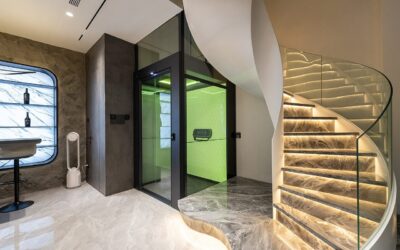
Home Lift Installation: What Happens and How Long It Takes
Once you have decided a home lift is right for you, the natural next question is what actually happens, and how long it all takes. The good news is that fitting a domestic lift is far quicker and less disruptive than people imagine. This guide walks through the...
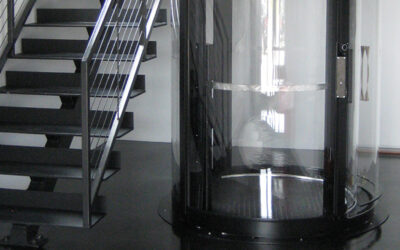
How Much Space Does a Home Lift Need?
One of the most common reasons people hesitate over a home lift is the worry that their house is too small or their ceilings too low. In practice, modern domestic lifts are designed to fit ordinary homes, and the space they need is more modest than most people expect....
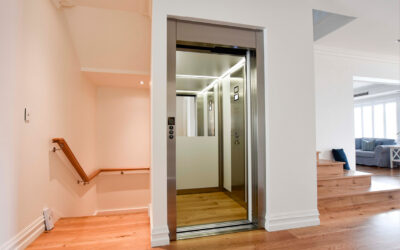
Home Lift Running Costs and What Happens in a Power Cut
People often assume that running a home lift will send their electricity bill soaring. In reality a domestic home lift is one of the cheaper appliances in the house to run, and the bigger question for most owners is what happens in a power cut. This guide explains the...
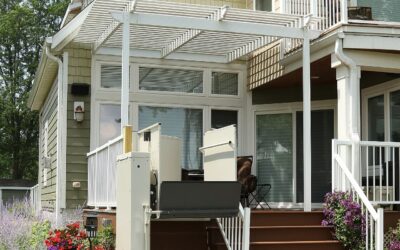
Home Lifts for Wheelchair Users: What to Look For
For a wheelchair user, a home lift can be the difference between using the whole house and being limited to one floor. Not every home lift suits a wheelchair, though, so it pays to know what to look for. This guide explains which types work, the features that matter,...
Frequently Asked Questions
How Much Does A Home Lift Cost?
It is possible for the cost of installing a home lift to change in response to various additional circumstances. Beyond the accessibility needs of the individuals living in the residence, these variables include the dimensions and characteristics of the lift in question. The price of a house lift may vary from £10,000 to £50,000, with the normal price sitting in the centre of that range.
How Much Space Is Required For A Home Lift?
It is possible for the amount of space needed for a house lift to change based on the kind of lift and the model in question. Standard house lifts need an area of at least 5 feet by 5 feet, while bigger versions may ask for much more room to operate well.
How Long Does It Take To Install A Home Lift?
It is possible for the amount of time required to install a house lift to differ from one kind to another and from one location to another; nevertheless, in general, the process may take anywhere from a few days to a few weeks to complete.
What Are The Different Types Of Home Lifts?
Home lifts may be classified into three primary categories: hydraulic, pneumatic, and traction. Because every kind comes with advantages and disadvantages, you must assess which will serve your particular requirements most effectively and carefully.
Are Home Lifts Safe?
The usage of home lifts is normally risk-free; nevertheless, it is essential to choose a manufacturer with a solid reputation and ensure that the lift is installed correctly.
Beyond this, having the lift serviced and inspected regularly may assist in keeping it in a safe operating condition.
Is It Necessary To Have A Pit Or Shaft For A Home Lift?
A pit or shaft is essential for certain kinds of house lifts, and a pit or shaft is necessary, whereas, for others, one is not required and is conditional on for others the specific model of the lift being used. It is important to get the counsel of the individuals installing the product and the people who produced it.
Does Insurance Cover Home Lifts?
Although the specifics of each policy vary, homeowners’ or disability insurance often provides coverage for house lifts of various types. It is in your best interest to contact your insurance carrier to see whether your lift is covered.
Top 10 Home Lift Companies
Ranked by verified customer reviews on Review Mobility. Rankings update automatically as new reviews are published. Paid placement never changes review scores.

Deltron Lifts
Deltron Lifts is a West Midlands lift company providing installation, servicing, maintenance and repair across a full range of lifts and accessibility equipment. Established…
View Profile & Reviews
Platform Lift
Platform Lifts Ltd is a Leicester-based lift specialist that installs, maintains, services and repairs platform lifts, home lifts and stairlifts. Established in 2008 and…
View Profile & Reviews
Stiltz Home Lifts
Stiltz is a British manufacturer of compact, through-floor home lifts, based at Kingswinford in the West Midlands. Founded in 2010, the company designs and…
View Profile & ReviewsUK Homelifts – ukhomelifts.co.uk ✔
Welcome to our uk home lifts information website! We aim to provide comprehensive information about home lifts to help you make informed decisions about…
View Profile & ReviewsAcute Elevators
Acute Elevators is a specialist lift design and installation company founded in 2011, headquartered in Aylesford, Kent with an additional office in Manchester serving…
View Profile & Reviews
Axess2
Lift specialist based in Bootle, Liverpool, supplying one of Europes most adaptable ranges of home lifts, platform lifts and passenger lifts. Part of the…
View Profile & Reviews
Dalby Platform Lifts
Platform lift arm of Harry Dalby Engineering, a British designer and manufacturer of vertical platform lifts for disability access, built at a 39,000 square…
View Profile & ReviewsGartec
Gartec is the United Kingdom’s leading supplier and installer of platform lifts, founded in 1994 and based in Aylesbury, Buckinghamshire. With over 30 years…
View Profile & ReviewsLevel Lifts
Level Lifts, formally known as Level Access Lifts Ltd, is a specialist lift company based in Timsbury, near Romsey, Hampshire. Founded in 2002, the…
View Profile & Reviews
Lifton Home Lift
Lifton Home Lift is a premium domestic lift brand owned by the Stiltz Group, specialising in compact, stylish home elevators designed for residential use…
View Profile & Reviews