
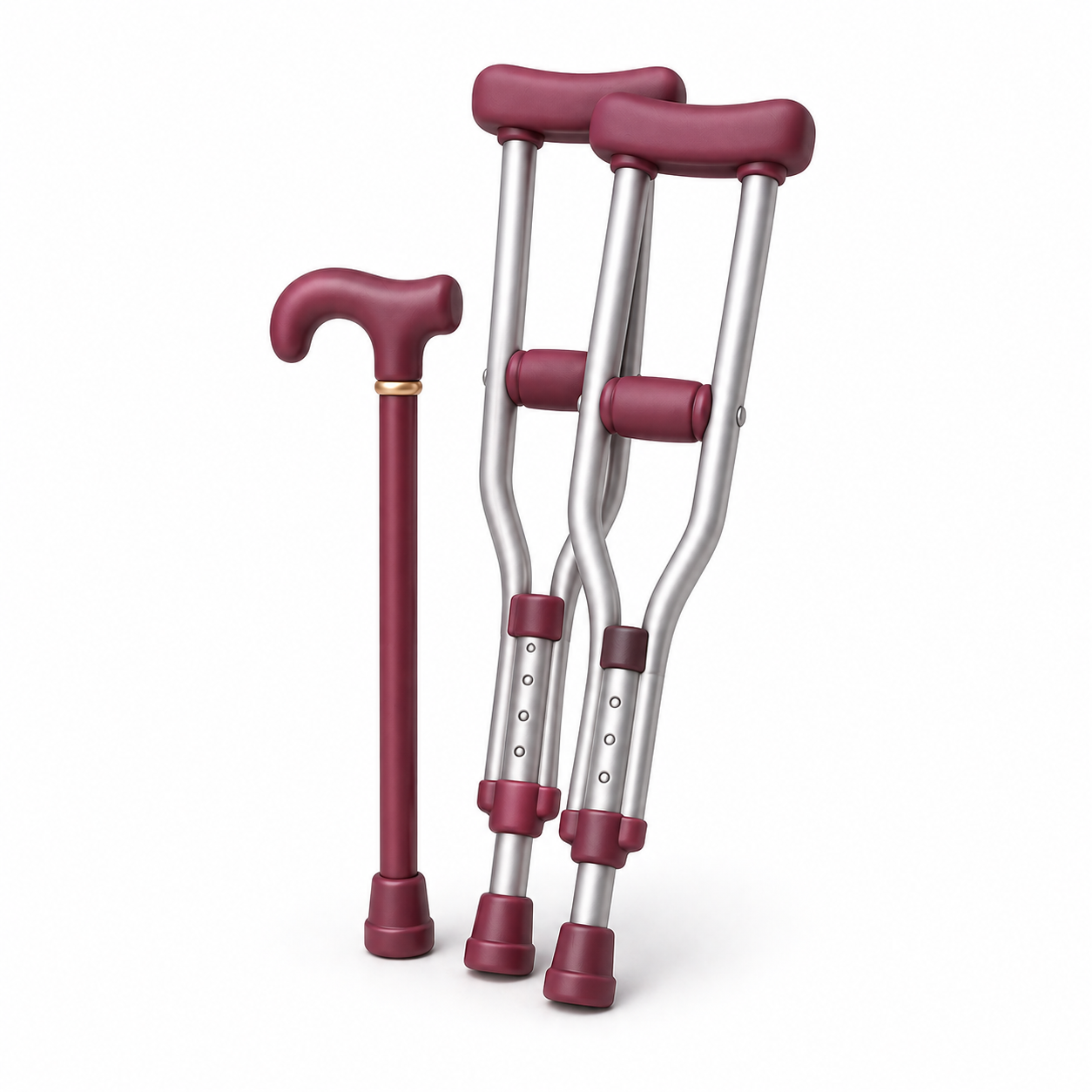
Mobility Aids
Your complete guide to mobility aids in the UK. From choosing the right aid to grants and expert advice.
Browse Mobility Aids
Explore our guides, reviews and comparisons.
Mobility Aids Blog Posts
Latest guides, reviews and advice.
Mobility Equipment Safety Notices: 12 Months of MHRA Data
read more
Cancelling a Stairlift or Mobility Contract Signed at Home: The 14-Day Rules
read more
Prime Big Deal Days Mobility Deals: 20 Scooters, Riser Recliners and Rollators Checked
read more
Hip Replacement Recovery Aids UK (2026): What You Actually Need at Home
read more
Mobility Aid Spares and Consumables UK (2026): Ferrules, Glides, Liners and Pads
read more
Hospital Discharge Kit UK (2026): What to Buy for the First 14 Days at Home
read moreMobility Aids: Staying Active and Independent
Mobility aids is a broad term covering the equipment and devices that help people move around safely, whether at home or out in the community. From canes and crutches to powered wheelchairs and vehicle adaptations, the right mobility aid can restore confidence and open up daily life. This category brings together the key resources you need to explore your options.
Choosing the Right Mobility Aid
The best mobility aid depends on your individual needs, the environment you will use it in, and your level of physical ability. Someone who needs light support for balance might use a walking stick, while a person with more significant mobility challenges might benefit from a powered wheelchair or scooter. It is worth getting a professional assessment from a physiotherapist or occupational therapist, as they can recommend the most appropriate solution and help you avoid common mistakes like choosing a device that is too heavy or poorly fitted.
Adaptations for the Home and Car
Mobility does not stop at personal equipment. Home adaptations such as ramps, stair rails, and widened doorways can make a significant difference. Vehicle adaptations, including hand controls, wheelchair hoists, and swivel seats, help you stay on the road independently. Many of these adaptations qualify for funding through local authority grants or the Motability scheme.
Getting Professional Advice
Your GP is usually the first point of contact, who can refer you to NHS wheelchair services, physiotherapy, or occupational therapy. Local disability information and advice services (often run by charities) can also guide you through the options and help with funding applications. Many mobility retailers offer free home assessments and demonstrations.
Frequently Asked Questions
What is the Motability scheme?
How do I get assessed for mobility equipment?
Can I get help with the cost of mobility equipment?
What is the difference between mobility aids categories on this site?
Mobility Aid Companies A to Z
Listed A to Z, not ranked. We only rank companies when enough of them have at least 3 reviews, with at least one from the last 18 months, and this category is not there yet. No company can pay for a place on this list, to improve a score, or to remove a review. How we check reviews.
1st Step Mobility
1st Step Mobility is a family-run mobility retailer established in 2007, with its head office and showroom on Victoria Road in Romford. The company…
View Profile & Reviews
A Mobility Shop
A Mobility Shop is a family-run mobility and independent-living retailer based on Thomas Lane in Liverpool, established in 1989. With more than 35 years…
View Profile & Reviews
Ability To Help
Ability To Help is a Staffordshire-based mobility and living aids specialist that has been assessing, advising, and installing accessibility equipment across the Midlands since…
View Profile & Reviews
Able Access UK
Able Access UK is a Birmingham-based disability equipment and home adaptation specialist serving customers across the West Midlands. The company provides comprehensive home adaptation…
View Profile & Reviews
Ableworld Mobility & Stairlifts Southport
Here at Ableworld Southport we are located in a large premises providing free parking and including disabled parking bays and an accessible store entrance.…
View Profile & Reviews
Action 2 Mobility
Action 2 Mobility is a long-established, family-run mobility retailer based in Rushden, Northamptonshire, trading since 1980. It is a full-range supplier with its own…
View Profile & Reviews
Active Days Mobility
Active Days Mobility is a mobility equipment retailer with over 16 years of experience, operating from multiple locations across East Sussex. Their main store…
View Profile & ReviewsActive Hands
Active Hands is an award-winning UK manufacturer of gripping aids for people with reduced hand function. The company was founded by Rob Smith, who…
View Profile & Reviews
Active Mobility
Active Mobility is a mobility equipment provider offering a range of products designed to help customers lead more active, independent lives. The company focuses…
View Profile & Reviews
Additional Aids Mobility
Additional Aids Mobility is an independent mobility retailer based at Whitton near Twickenham, in south-west London. A full-range supplier with a showroom, it serves…
View Profile & Reviews