
Published 27 April 2026 · Last updated 11 August 2026
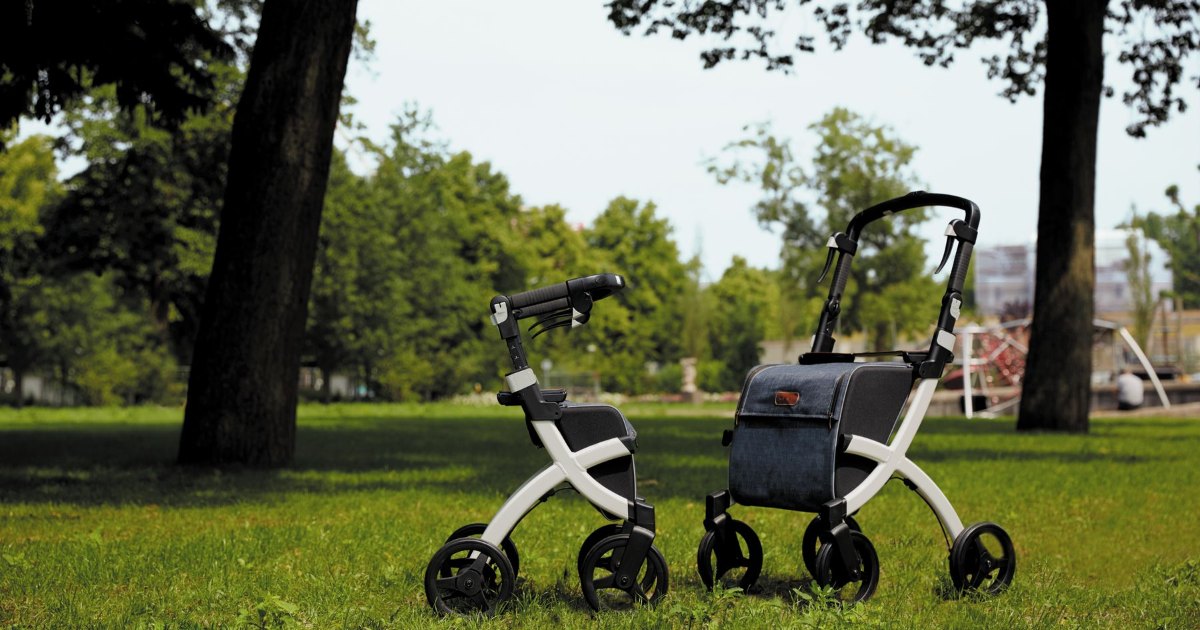
Drive DeVilbiss Lightweight Aluminium Rollator with Seat
Lightweight 7kg Frame, Padded Seat with Storage, Puncture-Proof Tyres
£59.99
Buy Now on AmazonWhat Is a Rollator Walker?
A rollator is a wheeled walking frame with handbrakes, a seat, and often a storage basket. Unlike standard Zimmer frames that need lifting, rollators glide on three or four wheels. This makes them ideal for people who can walk but need balance support or somewhere to rest. They are one of the most popular mobility aids in the UK, used by millions of older adults to stay active and independent.
Three-Wheel vs Four-Wheel Rollators
Three-wheel rollators (also called tri-walkers) are lighter and more manoeuvrable in tight spaces like narrow hallways and small shops. They typically weigh around 5-7kg and fold compactly, but they do not have a seat. Four-wheel rollators are more stable, come with a built-in seat for resting, and usually include a storage bag or basket underneath. They weigh between 7-12kg and are better suited for outdoor use on uneven ground.
Key Features to Look For
Weight capacity: Most standard rollators support 100-135kg (15-21 stone). Heavy-duty models go up to 200kg or more. Always check the maximum user weight before buying.
Handle height: Adjustable handles are essential for comfort. When standing upright with arms relaxed at your sides, the handle should be level with your wrist crease. Most rollators adjust between 78-96cm.
Wheel size: Larger wheels (20cm or 8 inches) handle outdoor surfaces and kerbs much better than smaller ones. If you plan to use the rollator mainly outdoors, prioritise bigger wheels with good tread.
Brakes: Loop brakes (squeeze to slow down) are the most common. Some models offer push-down locking brakes, which are easier for people with weak grip strength or arthritis in the hands.
Folding mechanism: Side-folding rollators are slimmer when collapsed and easier to fit in a car boot. Centre-fold designs are quicker to collapse but wider when folded.
Seat: If you need to rest frequently, check the seat width, height, and padding. A backrest strap adds extra comfort and security when seated.
Best Rollators for Different Needs
Best for indoors: A lightweight tri-walker under 6kg with swivel wheels turns easily in kitchens and corridors. The Days Lightweight Tri-Walker and the Drive Medical R8 Rollator are popular UK choices.
Best for outdoors: Four-wheel rollators with large pneumatic tyres and suspension handle pavements, grass, and gravel. The Topro Troja 2G and the Rollz Motion are highly rated for outdoor use.
Best for travel: Ultra-compact folding models like the TrustCare Let’s Fly and the Rollz Flex weigh under 7kg and fit into overhead lockers or small car boots.
Best for tall users: Standard rollators may not extend high enough for people over 6ft. The Topro Olympos and Drive Nitro Euro Style offer extra-tall handle settings up to 100cm.
How Much Do Rollators Cost in the UK?
Basic three-wheel walkers start from around £40-60. Mid-range four-wheel rollators with a seat cost £80-200. Premium models with suspension, large wheels, and ergonomic handles range from £200-500. The Rollz Motion hybrid (rollator and wheelchair combined) costs around £500-700. If you have a long-term health condition, you may be able to get a rollator through the NHS or your local council’s occupational therapy service at no cost.
Getting a Rollator Through the NHS
Your GP can refer you to the local physiotherapy or occupational therapy team, who will assess your needs and may provide a basic rollator free of charge through the NHS. The models available on the NHS tend to be functional rather than premium, but they are properly fitted to your height and needs. If you want a specific model, you can buy privately and still ask for an OT assessment to ensure you get the right fit.
VAT Relief on Rollators
If you have a qualifying long-term illness or disability, you can buy a rollator VAT-free, saving 20% on the price. You simply need to sign a declaration form at the point of purchase confirming you meet the eligibility criteria. Most UK mobility retailers offer this at checkout.
Safety Tips for Using a Rollator
Always engage the brakes before sitting down on the rollator seat. Walk inside the frame rather than behind it to avoid tipping. Check tyre pressure regularly on pneumatic wheels. Keep the path ahead clear and avoid carrying heavy bags on the handles, which can cause the rollator to tip backwards. Have the brakes checked every few months to ensure they grip properly.
Sources & Useful Resources
Official & NHS Resources
Charity & Advisory
Helpful Videos
Published 27 April 2026 · Last updated 11 August 2026
Cite this page
Free to reuse with credit to Review Mobility (CC BY 4.0). A link back is appreciated.