
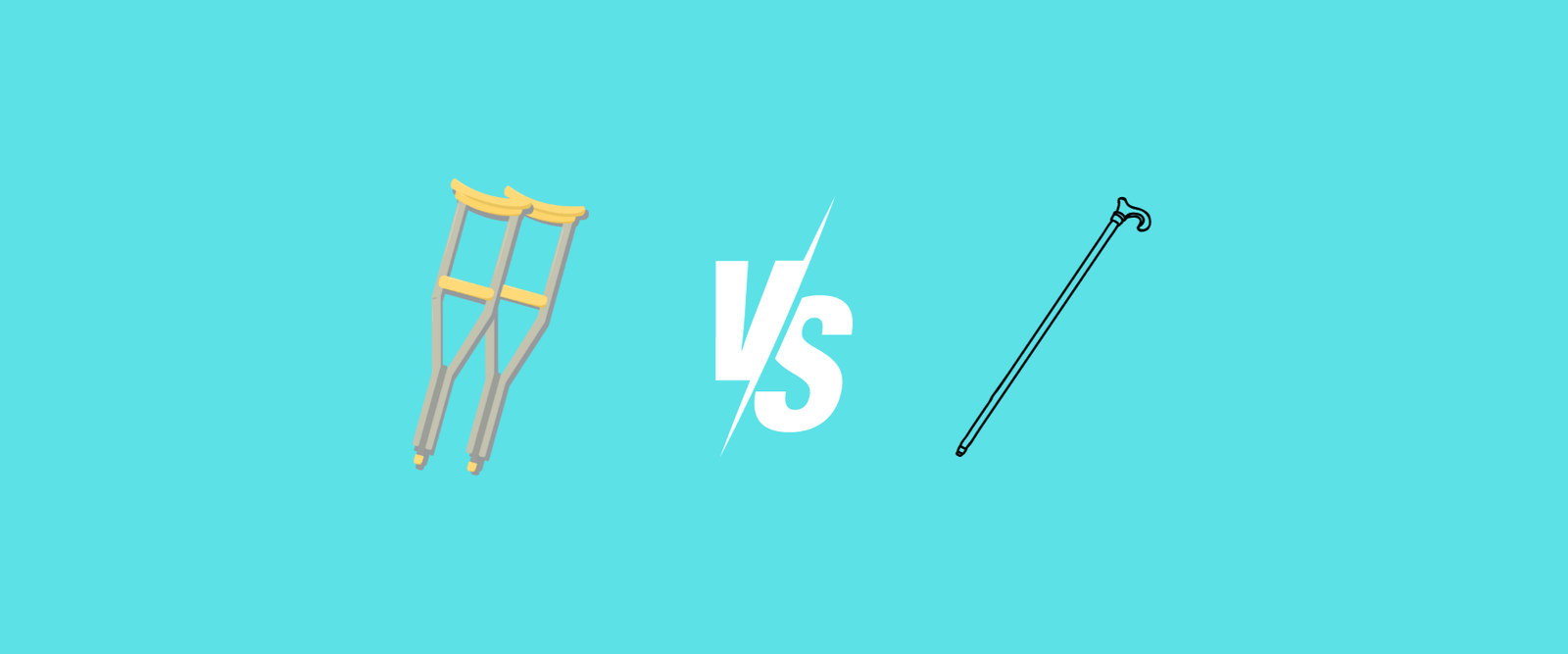
Key Takeaways For Crutches vs. Canes
Cane (Walking Stick): Manageable Stability Canes offer stability and balance support for mild to moderate mobility issues. They are recommended for older individuals or those with minor walking difficulties. Canes are designed for single-handed use, requiring less effort and coordination than crutches, and are suitable for long-term daily use. They provide manageable support indoors and outdoors, especially on even surfaces.
Considerations in Mobility Aid Choice The decision depends on the individual’s condition, with crutches offering more substantial support for severe limitations. Crutches are ideal for temporary use, while canes are suitable for long-term or chronic support. Healthcare professionals can guide the choice based on specific mobility requirements and the level of support needed.
Top Crutches
No products found.
Crutches and canes are mobility aids that support individuals with varying degrees of mobility challenges. Although both aim to enhance mobility, they serve different purposes and have unique features. This comparison will explore the key differences between crutches and canes to help you decide which mobility aid best suits your needs.
Crutches
- Support and Weight-Bearing: Crutches offer significant support and weight-bearing assistance to individuals with limited or painful leg mobility. They are commonly used for individuals recovering from lower limb injuries or surgeries.
- Upper Body Engagement: Crutches require using both arms to support the body’s weight. Users place the crutches under their arms and use them to help lift their body weight, which reduces the pressure on the lower limbs.
- Operational Effort: Using crutches can be physically demanding, requiring upper body strength and coordination. Users need to maintain balance while walking and have good arm strength for stability.
- Temporary Use: Crutches are typically used during recovery from injuries or medical procedures and are meant for short-term or temporary mobility limitations.
- Indoor and Outdoor Use: Crutches are suitable for indoor and outdoor use. Some models are designed for different terrains, such as rough outdoor surfaces.
Cane (Walking Stick)
- Stability and Balance Support: Canes, or walking sticks, provide extra strength and balance support for individuals with mild to moderate mobility issues. They are often recommended for older people or those with minor walking difficulties.
- Single-Handed Use: Canes are designed to be used with one hand, offering support on one side while the other remains free. They provide less support compared to crutches but are more manageable.
- Operational Effort: Walking canes require less effort and coordination compared to crutches. Users typically need less upper body strength and can rely on the cane for balance and support while walking.
- Long-Term and Daily Use: Canes can be used for long-term and daily mobility. They are not restricted to short-term use during recovery and are often used as chronic mobility support.
- Indoor and Outdoor Use: Canes are suitable for indoor and outdoor use, though they may be less stable on uneven terrain than crutches.
No products found.
Considerations
- User Condition: The choice between crutches and a cane depends on the individual’s specific condition, the level of mobility impairment, and the duration of assistance needed.
- Safety and Stability: Crutches offer more substantial support and weight-bearing assistance than canes, making them suitable for more severe mobility limitations.
- Duration of Use: Crutches are typically used for temporary mobility limitations, while canes are often employed for long-term or chronic mobility support.
Summary Of Crutches Vs Cane
In summary, the decision between crutches and a cane should be based on the individual’s specific mobility requirements, the duration of assistance needed, and the level of support and balance necessary during walking. Healthcare professionals can help determine the most appropriate mobility aid for each person’s unique circumstances.
Top Crutches
No products found.
Explore More Mobility Aid Options: Crutches vs. Canes
- Best Crutches for Support and Comfort – Discover the best crutches designed to provide superior support and comfort for those recovering from injuries or surgery.
- Best Canes for Stability and Balance – Learn about walking canes that offer stability and support for individuals with mild balance issues.
- Forearm Crutches vs. Underarm Crutches – Understand the differences between forearm crutches and traditional underarm crutches to find the best fit for your needs.
- How to Use Crutches Safely – Get expert tips on how to use crutches properly to avoid injury and improve mobility.