
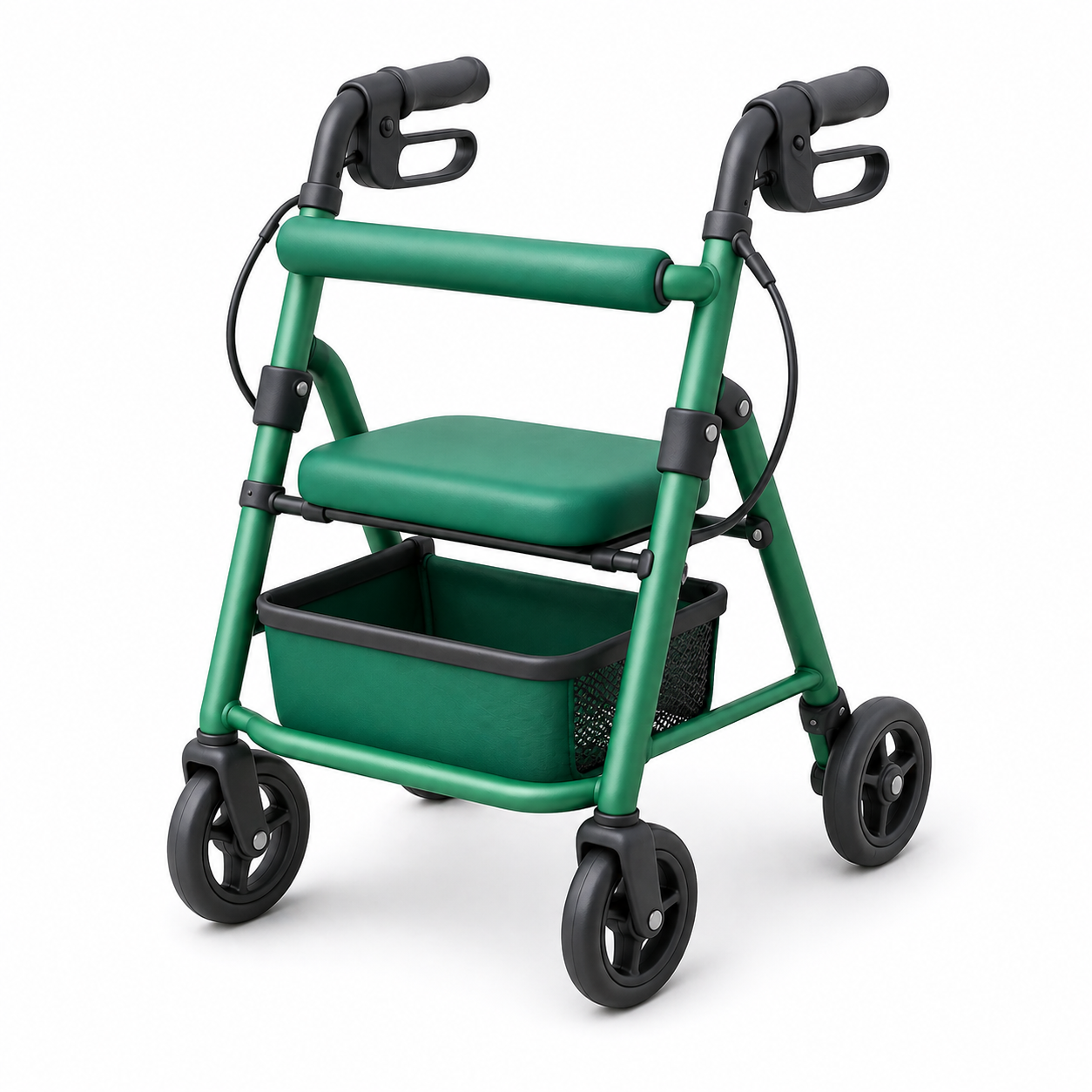
Walking Aids
Discover the best walking aids for comfort, stability and independence. Expert reviews and comparisons of walkers, rollators and crutches.
Browse Walking Aids
Explore our guides, reviews and comparisons.
Walking Aid Blog Posts
Latest guides, reviews and advice.
Rollator vs Walker vs Tri-Walker: Which Should You Choose?
read more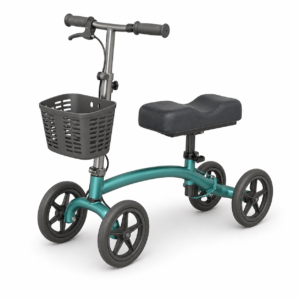
Knee Walkers UK: The Best Alternative to Crutches After Foot or Ankle Surgery
read more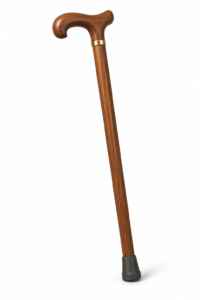
Best Walking Sticks and Canes UK: How to Choose the Right One
read more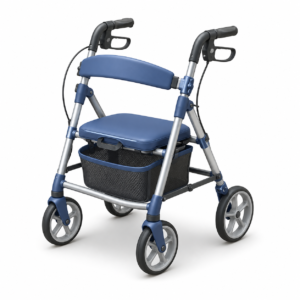
Best Rollator Walkers UK: Complete Buying Guide for 2026
read more
Discover the Best 2-Wheel Walkers for Seniors in 2026
read more
Best 3-Wheel Walkers with Seats and Baskets in 2026 – Practical and Popular Picks!
read moreWalking Aids: Support for Every Step
Walking aids help millions of people across the UK stay active and independent. From simple walking sticks to advanced rollators with built-in seats, there is a walking aid to suit every level of mobility. Choosing the right one can reduce the risk of falls, ease joint pain, and give you the confidence to keep moving.
Types of Walking Aids
Walking sticks are the simplest option, providing light support for balance. Crutches offer more stability for those recovering from injury or surgery. Zimmer frames (walking frames) provide a sturdy support for users with limited balance or strength. Rollators combine a frame with wheels, brakes, and often a seat, making them ideal for longer outings where you might need to rest.
Getting the Right Fit
A walking aid set at the wrong height can cause back pain, shoulder strain, or poor posture. The handle should be at wrist height when you stand upright with your arms relaxed. Many walking sticks and frames are height-adjustable. For zimmer frames and rollators, consider the width needed to navigate doorways and corridors at home.
Where to Get Walking Aids
Your GP or physiotherapist can assess your needs and may provide a basic walking aid through the NHS. Occupational therapists can also carry out a home assessment. If you prefer to buy privately, mobility shops and online retailers offer a wide range. VAT relief applies for those with a qualifying medical condition.