
Published 8 October 2026
New research from Motability Operations suggests that the UK’s switch to electric vehicles is leaving many disabled drivers behind. The fifth wave of the Motability Scheme’s EV Transition Tracker, run with the research firm More in Common, found that 60% of disabled Scheme customers and 59% of the wider public feel excluded from the move to electric cars. The reasons, however, differ in important ways.
Why people feel locked out
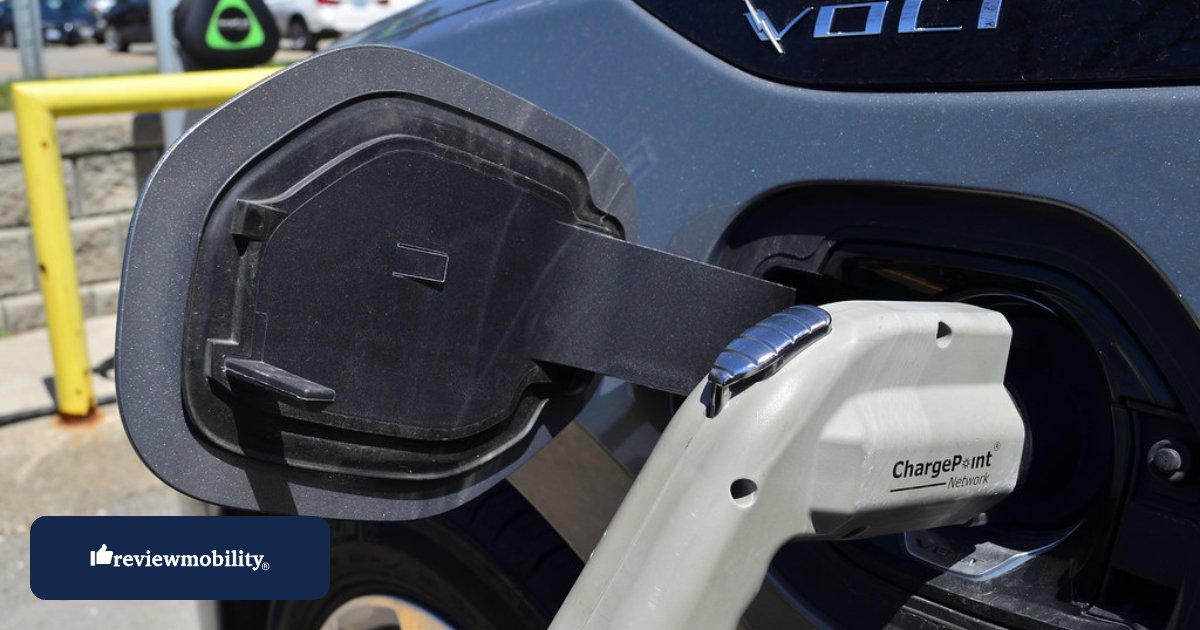
For the general public, cost dominates, with 52% naming the upfront price of an EV as the main barrier. Price matters to disabled drivers too, cited by 26%, but practical barriers can decide whether going electric is possible at all. According to THIIS Magazine, 39% of disabled customers said they cannot charge at home, and 31% of those with EV experience pointed to heavy or awkward charging cables, or to bays that are too narrow to reach the charge point.
The motorway bay audit
Motability Operations worked with an independent surveyor to assess charging bays at 95% of Britain’s motorway service stations. Of 1,166 bays assessed, only 28.6% met the British Standards guidance of at least 360cm total width. Raised kerbs and obstructions were other common problems. Eleven service stations, roughly one in eight, had no accessible bay at all. The survey was carried out in November 2024 and the results are now available in the Motability Go app.
There is a large regional gap. The East of England (43%) and the North West (40%) performed best, while the North East was weakest, with just 16% of bays accessible. London and the South East both came in at 20%. You can read more on the Motability Operations EV Transition Tracker page.
Andrew Miller, CEO of Motability Operations, said that more chargers alone will not solve the problem and that accessibility must be built into network growth so disabled drivers can travel with the same confidence as everyone else.
Why bay width matters
A wide bay is not a luxury. Wheelchair users often need space beside the vehicle to open a door fully and transfer, while people using walking aids need room to manoeuvre safely around the car and the charger. When a bay is narrow, sits next to a raised kerb or has a bollard or cable in the way, the charge point can be physically out of reach. That is why a width of at least 360cm, as set out in British Standards, is used as the benchmark.
What this means for disabled drivers and carers
With the 2030 end date for new petrol and diesel car sales approaching, access to charging will increasingly shape how people stay independent. If you are considering an electric car, it is worth checking the bay width and layout at the places you travel to most, and looking at whether home charging is realistic before committing. Lighter charging cables and wider, level bays make a real difference for wheelchair users and people with limited strength or reach.
Not every journey needs a car, of course. For shorter trips, a mobility scooter or a wheelchair can keep you moving locally, and the right mobility aids can reduce how much effort each outing takes. Our wheelchair costs guide explains what to budget for.
Charge point accessibility is likely to stay on the policy agenda as EV uptake grows, and we will keep following developments that affect disabled people’s travel.
Related guides on Review Mobility
Published 8 October 2026