
Published 3 November 2024 · Last updated 25 September 2026
Top Disability Bikes
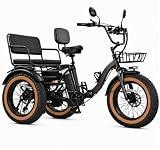
Adult tricycles solve balance, not strength, so they suit somebody whose legs still work but whose balance no longer does. They are much wider than a bicycle, which matters on a narrow path and in a shed. Electric assist versions cost more and weigh a good deal more, so check whether it can still be pushed by hand when the battery is flat.
Some links in this section are affiliate links. If you buy through one we earn a commission from Amazon at no extra cost to you, and as an Amazon Associate we earn from qualifying purchases. It does not change what we recommend. This is not medical advice.



As an Amazon Associate I earn from qualifying purchases. (paid link)
For individuals with disabilities, staying active and experiencing the joy of movement can often present unique challenges. Fortunately, the landscape of adaptive sports and mobility aids has advanced dramatically, offering innovative solutions to enhance mobility and independence. Disability bikes, often called adaptive bikes or handcycles, have emerged as a remarkable option for those with disabilities. In this guide, we will look into disability bikes, exploring the various types, features, benefits, and tips for selecting the best one to suit your specific needs.
What Are Disability Bikes?
Disability bikes are specialised bicycles designed to accommodate individuals with various mobility impairments. These bikes are engineered to offer adaptive solutions, allowing people with disabilities to enjoy cycling, whether independently or with the assistance of a caregiver. They come in various styles and configurations to cater to different abilities and preferences.
Types of Disability Bikes
There is a wide variety of disability bikes available, each tailored to specific needs and capabilities:
Handcycles
Handcycles are pedal-powered bikes designed for individuals with limited or no leg use. Users power the bike using their arms and hands. This makes it an excellent choice for those with paraplegia or lower limb disabilities.
Recumbent Bikes
Recumbent bikes offer a laid-back riding position with a reclined seat. They are ideal for individuals with balance issues, providing a lower centre of gravity and a comfortable, ergonomic seating position.
Tandem Bikes
Tandem bikes allow a person with a disability to ride along with a partner or caregiver who controls the bike. This type of bike is suitable for those with limited upper body strength or coordination.
Tricycles
Tricycles, with three wheels, provide added stability. This makes them an excellent choice for individuals with balance difficulties. Some tricycles also have electric-assist options to reduce the effort required for pedalling.
Handicap-Accessible Bikes
These specially designed bikes feature adaptations like wider frames, lower step-throughs, and additional support features to make them more accessible to individuals with mobility challenges.
Benefits of Disability Bikes
Using disability bikes can have a profound impact on the lives of individuals with disabilities:
Improved Physical Fitness
Cycling offers an excellent cardiovascular workout, enhances muscle strength, and improves joint flexibility, contributing to overall physical health.
Enhanced Mobility
Disability bikes provide an opportunity for greater independence and mobility, allowing users to explore their surroundings more freely.
Mental Well-Being
Engaging in outdoor activities and enjoying the sense of freedom that comes with cycling can boost mental well-being, reduce stress, and increase self-confidence.
Social Interaction
Participating in adaptive cycling activities can lead to social connections with others with similar interests, supporting a sense of community.
Key Features to Consider
When selecting a disability bike, it’s essential to consider various factors to ensure the best fit for your needs:
Type of Disability
Choose a bike that aligns with your specific disability and mobility limitations. Different types of disability bikes cater to various needs.
Frame Design
Pay attention to the frame design and adjustability. Ensure the bike can accommodate your body size and provide a comfortable riding experience.
Accessories and Adaptations
Consider any additional accessories or adaptations, such as electric-assist options, that may enhance your riding experience and make cycling more accessible.
Safety Features
Prioritise bikes with safety features like sturdy brakes, stable frames, and appropriate support mechanisms to ensure a secure ride.
Budget
Determine your budget and explore bikes within that price range, keeping in mind that some adaptive bikes can be more costly due to their specialised design.
How to Choose the Best Disability Bike for Your Needs
Choosing the right disability bike involves careful consideration of your specific requirements and preferences:
- Assess Your Abilities: Evaluate your physical abilities and limitations, as well as your cycling goals and preferences.
- Consult a Specialist: Consider seeking advice from a physical therapist, occupational therapist, or healthcare professional who can provide insights into the most suitable bike for your needs.
- Test Ride: Whenever possible, test ride different disability bikes to get a feel for their comfort, handling, and suitability.
- Research Brands: Research reputable brands and models, read user reviews, and seek recommendations from others in the disability cycling community.
- Consider Long-Term Needs: Consider your long-term goals and how well the bike can adapt to your changing needs and abilities.
In short
Disability bikes have transformed the lives of individuals with disabilities, offering a path to increased mobility, physical fitness, and outdoor enjoyment. By understanding the various types, benefits, and key features of disability bikes and following our selection tips, you can start on a journey of enhanced independence and active living. Whether you choose a handcycle, recumbent bike, tandem bike, tricycle, or another adaptive option, a well-chosen disability bike can open up a world of possibilities and empower you to experience the thrill of cycling in your unique way.
Top Disability Bikes
Explore More About Accessible Mobility Solutions
- Best Walking Aids – Discover walking aids designed to enhance mobility and independence.
- Best Wheelchairs – Find top-rated wheelchairs to meet various mobility needs.
- Best Mobility Scooters – Explore mobility scooters for enhanced freedom and movement.
- Adaptive Sports Equipment – Learn about adaptive equipment that supports active lifestyles for those with disabilities.
Frequently asked questions
Are adult tricycles easier than a bicycle?
For balance, yes, because they do not fall over when stationary. For steering they take real getting used to, since a trike does not lean into a corner and will tip if you take one too fast. Practise somewhere flat and open before using one on the road.
Do I need a licence or insurance?
No licence or insurance is required to ride a pedal tricycle or an electric assisted pedal cycle on UK roads. Electrically assisted pedal cycles have limits on motor power and assisted speed, and anything beyond those is legally a motor vehicle, so check the specification rather than the marketing.
Will it fit through my door or in my shed?
Measure first. Adult trikes are typically much wider than a bicycle at the rear axle, and the width, not the length, is what stops them going through a side gate or a shed door.
Can I get one through a scheme?
Some cycling charities and local authority schemes offer adapted cycle loans or try-out sessions, and trying different types before buying is worth more than any review. Cycling UK and local inclusive cycling hubs are the usual starting points.
Is an electric trike worth the extra?
If hills or distance are the barrier, yes. If balance is the only barrier, a non assisted trike is lighter, cheaper and easier to handle. Remember that an electric trike is considerably heavier to push if the battery goes flat.
What about storage and charging?
Lithium batteries should be charged where you can see them, not in a hallway that is also your escape route, using the charger supplied with the cycle. Fire services have repeatedly warned about battery fires from mismatched chargers and damaged packs.
Published 3 November 2024 · Last updated 25 September 2026