

Published 22 October 2024 · Last updated 22 October 2026
Links to Amazon on this page are paid links: we earn a commission if you buy, at no extra cost to you. No company paid to appear here. How we make money.
Top Bedroom Mobility Aids



As an Amazon Associate I earn from qualifying purchases. (paid link)
The bedroom is where we begin and end our days, making it vital to have the right aids in place, especially for individuals with mobility challenges or seniors. Ensuring comfort, safety, and independence is essential in this personal space. Bedroom mobility aids are designed to assist with various tasks, from getting in and out of bed to dressing and personal care. In this guide, we’ll explore the benefits of bedroom mobility aids, the types available, key features to consider, and recommendations for the best options on the market.
The Importance of Bedroom Mobility Aids
Bedroom mobility aids are invaluable tools that provide several benefits for users:
1. Independence:
These aids enable individuals to perform daily tasks independently, supporting a sense of self-reliance and dignity.
2. Safety:
They reduce the risk of accidents and falls.
3. Comfort:
Bedroom mobility aids enhance comfort, making it easier to rest, sleep, and navigate the bedroom.
Types of Bedroom Mobility Aids
There are various bedroom mobility aids available to cater to different needs. Here are some common types:
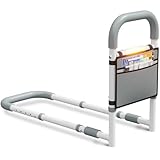
1. Bed Rails:
Bed rails provide support and stability when getting in and out of bed and a safety barrier to prevent falling out.
2. Bedside Commodes:
These portable toilets can be placed beside the bed, offering convenience for individuals with limited mobility, especially at night.
3. Overbed Tables:
Overbed tables are adjustable tables positioned over the bed, providing a surface for eating, working, or reading.
4. Dressing Aids:
These aids, such as dressing sticks and reachers, help with dressing and reaching items in the bedroom.
5. Bedroom Transfer Aids:
Transfer aids assist with moving from the bed to a wheelchair or other mobility device.
Key Features to Consider
When selecting the best bedroom mobility aids, consider the following key features:
1. Material:
Look for aids made from durable, easy-to-clean materials that withstand regular use.
2. Safety Features:
Ensure the aids have safety features like non-slip surfaces or secure locking mechanisms.
3. Adjustability:
Some aids, like overbed tables, offer adjustable height settings for customised use.
4. Portability:
Consider aids that are portable and easy to move or store when not in use.
5. Weight Capacity:
Check that the aids can support the user’s weight comfortably.
The Best Bedroom Mobility Aids
Now, here’s a look at some of the best bedroom mobility aids available, each offering unique features to cater to various needs:
The bottom line
Bedroom mobility aids can help maintain bedroom comfort, safety, and independence. By understanding the benefits, types, and critical features of these aids, you can make informed decisions when selecting the best options to meet your specific needs. Whether it’s the stability of bed rails, the convenience of bedside commodes, or the versatility of overbed tables, these aids can significantly enhance your bedroom experience while promoting well-being and peace of mind.
Top Bedroom Mobility Aids
Enhance Your Bedroom Safety and Comfort
- Bed Rail Buying Guide – Learn how to select the best bed rail for added security and support.
- Best Bed Rails – Discover top-rated bed rails for safety and ease of use.
- Adjustable Beds Buying Questions – Get answers to common questions when purchasing an adjustable bed.
- Benefits of Electric Adjustable Bed – Explore the advantages of using an adjustable bed for improved sleep and comfort.
Frequently asked questions
What are the most useful bedroom aids?
A bed at the right height, a bed lever or rail chosen for the right reason, a light on the route to the bathroom, and somewhere solid to hold when standing. Those four solve most bedroom problems.
How do I set the bed height?
Sit on the edge: feet flat on the floor, hips level with or slightly above the knees. Raise a low bed with proper furniture raisers, never stacked and never under castors, or change the mattress depth to lower a high one.
Bed lever or bed rail?
A lever is a handhold for somebody trying to move. A rail is there to stop somebody rolling out and carries an entrapment risk, so it should follow an assessment. They are constantly confused and they solve opposite problems.
What helps somebody who slides down the bed?
A profiling bed with a knee break, which stops the slide when the head is raised. Propping somebody upright on pillows in a flat bed causes the sliding, and the shearing that goes with it damages skin.
What about night time toileting?
A motion sensor light on the route is the cheapest useful change. A commode by the bed is worth considering, and the dignity objection to it is real and worth discussing rather than overriding.
Can I get bedroom equipment free?
Levers, rails, raisers and profiling beds are all routinely supplied after an occupational therapy assessment through the council or community equipment service, and the assessment costs nothing.
Published 22 October 2024 · Last updated 22 October 2026